

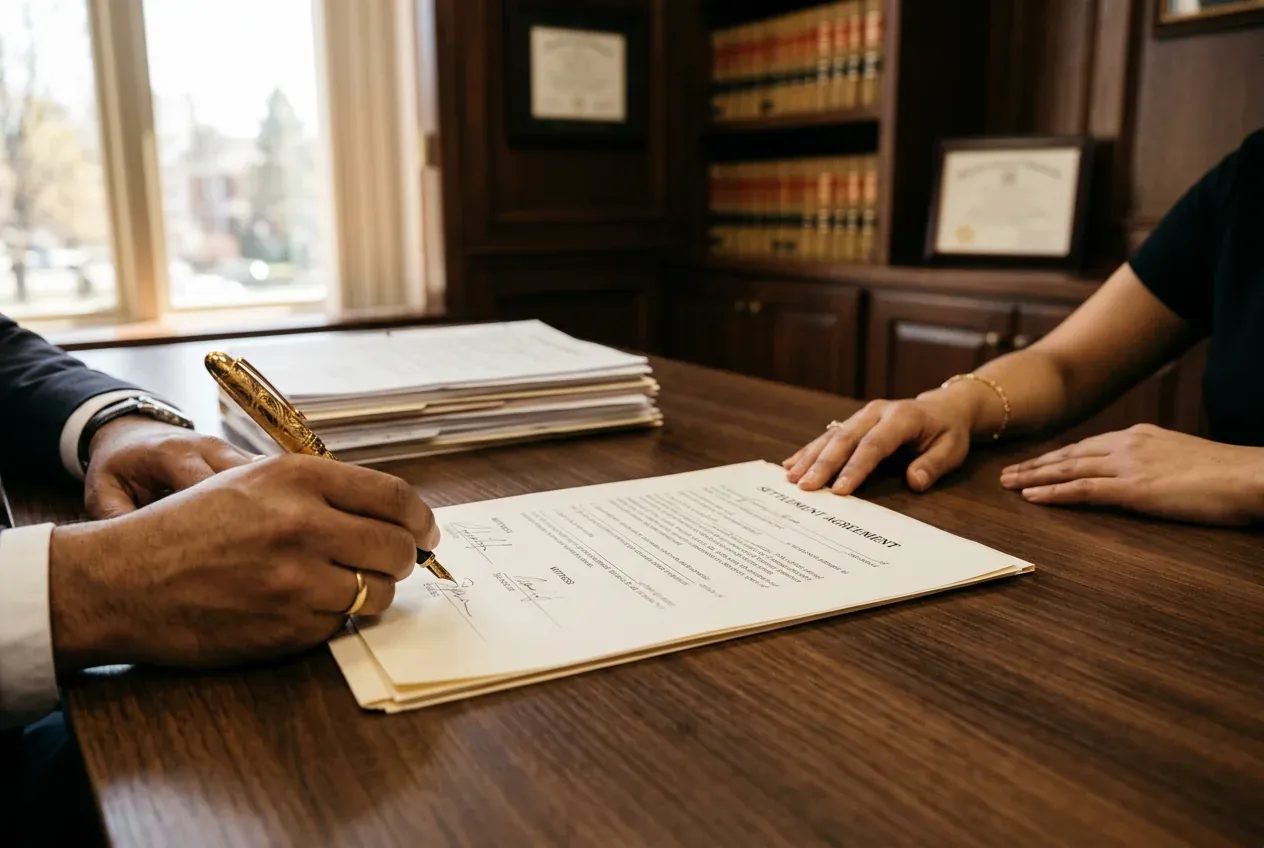
A disagreement can quickly become harder to manage when information is scattered and conversations become strained. Before deciding what to do, it helps to establish a clear account of the issue and the outcome you hope to achieve.
Start with the facts
Prepare a chronology of the important events. Keep the original agreements, correspondence, invoices, notices and other relevant records. Distinguish what you know directly from what you have been told.
Do not assume that a short summary captures every legally relevant detail. An advocate may need to see the complete documents to understand your position.
Define your objectives
Consider what a useful resolution would look like. It may involve payment, performance of an obligation, clarity about a right or an arrangement for the future. Be prepared to discuss practical constraints as well as legal concerns.
Discuss the available routes
Depending on the matter, discussions may cover negotiation, a structured settlement process or formal proceedings. No route is suitable for every dispute. Your advocate can explain which options may be relevant after reviewing the facts and the governing documents.
Ask about the proposed scope of work, likely stages, costs and uncertainties. If you have received a notice or know of an approaching deadline, bring it to the advocate’s attention promptly.
Preparation helps turn a broad concern into a focused conversation about possible next steps.
Your consultation checklist
- A concise chronology and copies of relevant documents.
- Details of earlier communications and any attempts to resolve the issue.
- Your main questions and preferred outcome.
- Any notices, hearing dates or known deadlines.
- Questions about fees, communication and the proposed engagement.
Neither a consultation nor a particular process can guarantee a result. A practical approach begins with understanding your individual situation.